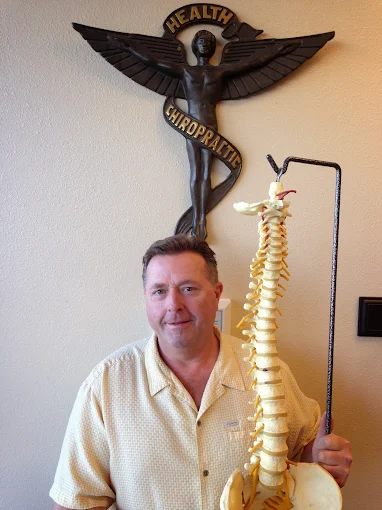
 Dr. Rick Bittner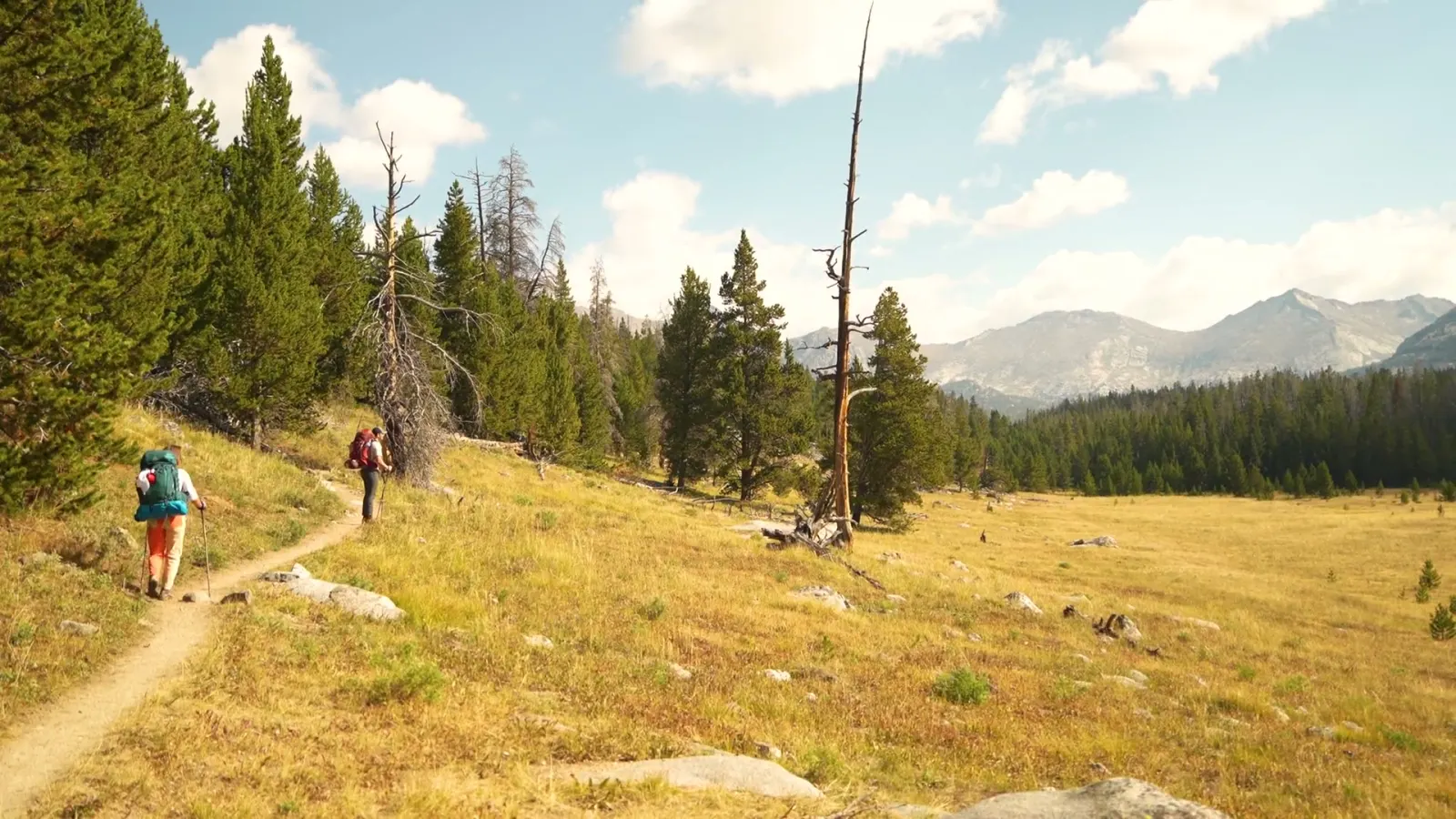
Every summer, Bozeman empties onto the trails. The M and Drinking Horse fill up before the workday starts, the Hyalite Canyon lots are full by nine, and by Saturday half the town seems strung out along the ridge to Sacajawea Peak. It's the best part of living here — and every July, it's also why a familiar wave of hikers lands in my clinic with low backs that seized up somewhere between the trailhead and the truck.
After twenty-plus years of adjusting Bozeman spines, I can tell you that most hiking-related back pain follows the same handful of patterns — and most of it is preventable with a few small habits.
Why hiking flares up your low back
Hiking looks gentle compared to skiing or climbing, but it asks a lot of your lumbar spine and pelvis:
- Pack load. A loaded pack pulls your center of gravity backward, so your body compensates by leaning forward — sustained pressure on your lower back muscles and discs for hours at a time.
- Downhill impact. Every descending step sends force up through your ankles, knees, hips, and spine. Coming down something steep like the M's face, that's thousands of small jolts on tired muscles.
- Uneven terrain. Rocks, roots, and side-hilling keep your stabilizing muscles firing constantly. If they've been idle all week, they fatigue early — and your joints absorb what they can't.
- Tight hip flexors from desk weeks. This is the big one. Sitting Monday through Friday shortens the muscles across the front of your hips. Then Saturday asks those hips to stride and climb, and when they can't, your lower back arches and twists to make up the difference.
Before you hit the trailhead
A little preparation in the parking lot pays off for miles.
- Get your pack fit right. The hip belt should sit snugly across the top of your hip bones and carry most of the weight — the shoulder straps are there to steady the load, not haul it. For a day hike, aim for roughly 10–15% of your body weight.
- Use trekking poles. They take meaningful load off your knees and low back, especially on descents, and they nudge you into a more upright posture.
- Warm up for five minutes. Nothing fancy: leg swings, a dozen bodyweight squats, slow hip circles, a few gentle torso rotations, and a couple minutes of brisk flat walking before the trail tilts up. Warm muscle handles rough terrain far better than cold muscle.
2407 W Main St. Suite 102, Bozeman · (406) 548-8822
On the trail
Good habits mid-hike matter more than any gear. Do a posture check-in at every water break: ears over shoulders, ribs stacked over pelvis, hinging slightly from the hips on climbs instead of rounding through the back. Take a one-minute micro-break every half hour or so — drop the pack, stand tall, and gently extend backward to reverse all that forward lean.
On the way down, shorten your steps. Keep a soft bend in the knee of your standing leg, land midfoot instead of jarring onto your heel, and let your poles share the braking. Descending stiff-legged with long strides is one of the most common ways I see hikers turn a great day into a sore week.
Your back rarely gives out on the climb. It gives out on the way down — when you're tired, gravity is doing the work, and your form goes quiet.
After the hike
The hour after you get back to the car is prime recovery time. Spend a few minutes on gentle stretching: a half-kneeling hip flexor stretch for the front of each hip, a hamstring stretch with a long, flat back, and the figure-four stretch for your glutes and deep hip rotators. Hold each for about thirty seconds — easy tension, no bouncing. Keep drinking water through the evening, too; muscles and spinal discs recover better hydrated.
Some soreness is completely normal. General muscle achiness that fades within a day or two is your body adapting. What's not normal: sharp pain, one-sided pain that keeps building, or pain that changes the way you walk. Those are signals worth listening to.
When to come see us
As a rule of thumb, come in if your pain lasts more than about 72 hours, if it radiates down into your buttock or leg, or if you notice numbness or tingling below the waist. Those symptoms don't necessarily mean something serious, but they deserve a proper look rather than a wait-and-see shrug.
At Able Chiropractic, we start with a careful evaluation to find what's actually going on. From there, care might include a specific adjustment — the lower back and pelvis are my specialty — along with massage therapy for the muscles doing the complaining and PEMF therapy to help calm inflammation. Many patients find a mid-season tune-up keeps small problems from becoming big ones.
Walk in any weekday, no referral needed. The trails will be here all summer — take care of the back that carries you up them.